
Critical Raw Materials Facility
Report commissioned by CRM Facility highlights copper’s strategic importance for European industrial competitiveness.
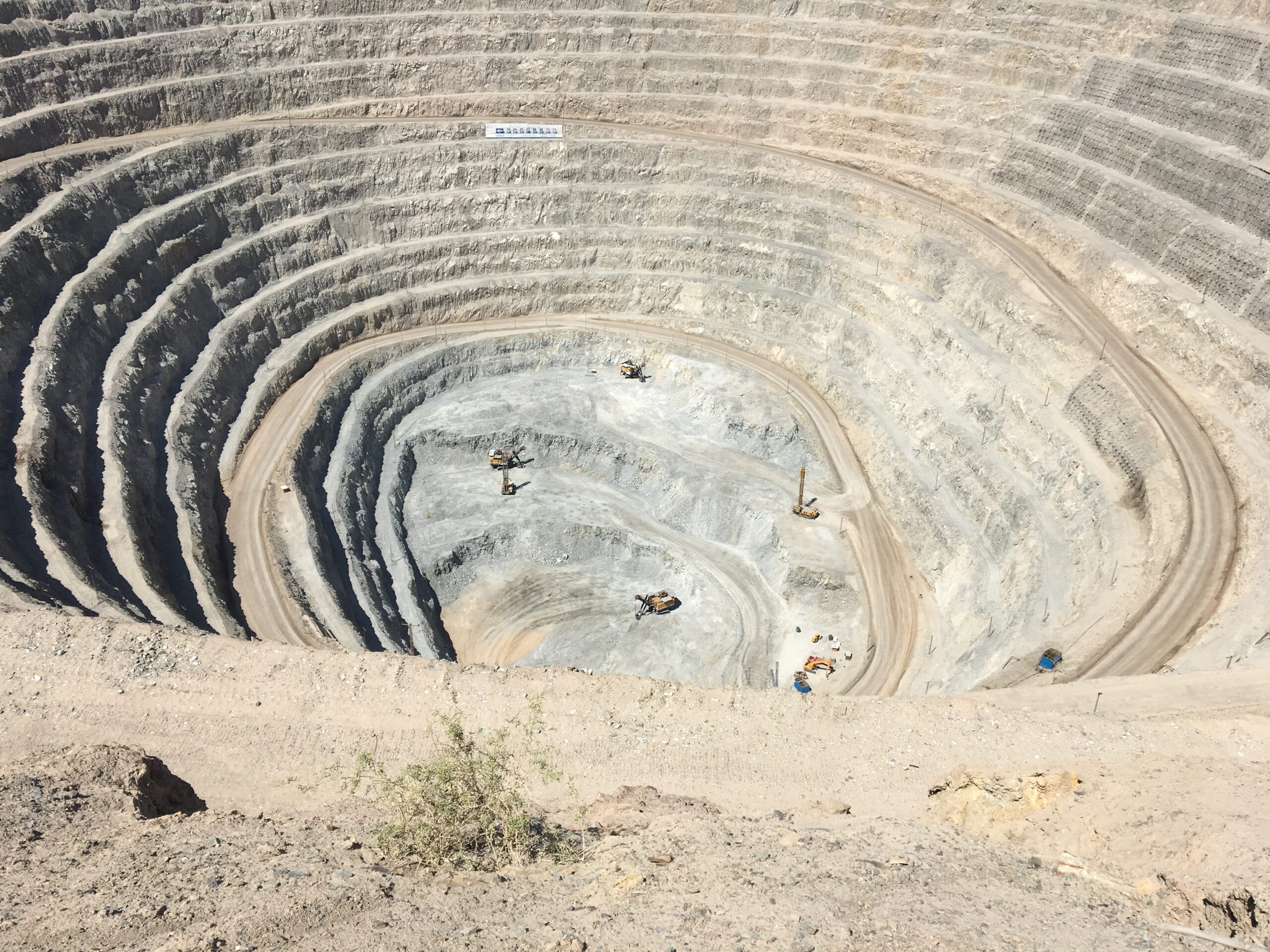
Published on 4 June, 2026
Photo credits: 1
The CRM Facility and the European Commision have recently commissioned a study to take a look at Europe’s future copper supply strategy. The study highlights the growing strategic importance of copper for Europe’s industrial competitiveness, energy transition, digital infrastructure and defence capabilities.
The analysis projects that EU copper demand will increase by approximately 32% by 2040, driven primarily by electrification, renewable energy deployment, electric vehicles, battery storage systems, data centres and increased defence spending. Over the period 2026–2040, the EU is expected to require an additional 11.2 million tonnes of copper — equivalent to roughly 40% of current annual global copper production.
Copper is strategic for Europe’s industrial competitiveness. At present, the European Union remains heavily dependent on imports, with approximately 55% of refined copper demand sourced externally. The study concludes that full self-sufficiency is unrealistic due to limited domestic geological resources. However, it argues that Europe can significantly strengthen its strategic resilience through a combination of domestic production, recycling and targeted international partnerships.
How Europe can meet its copper demand
The report identifies four main levers for action:
- Increasing EU mining activity and accelerating exploration;
- Expanding imports of copper concentrates;
- Maintaining strategic imports of refined copper cathodes;
- Significantly strengthening recycling and secondary smelting capacity.
Among the pathways assessed, the study concludes that only a strategy focused on “Maximal EU Autonomy” can realistically secure Europe’s future copper needs under achievable market conditions. This approach combines increased domestic mining, expanded primary and secondary smelting capacity, stronger recycling performance and carefully managed import partnerships.
A central recommendation is to better utilise Europe’s “urban mine” by reducing copper scrap exports, increasing post-consumer scrap collection and investing in additional recycling infrastructure. Indeed, the report estimates that Europe will require 380 kt/year of additional secondary smelting capacity and 320 kt/year of additional primary smelting capacity approximately .
Diversifying the supply of copper
In addition, the study highlights the importance of strategic international cooperation. Seven countries are identified as priority partners for future copper supply diversification: Canada, Panama, Brazil, Peru, Chile, Argentina and Indonesia. Existing EU instruments such as the Critical Raw Materials Act and Global Gateway are important tools to support long-term partnerships and investment.
The overall conclusion of the study is clear: Europe can secure its copper future. However, doing so requires immediate, coordinated, and large-scale action combining industrial investment, regulatory support, and strategic international engagement..
- Saindak copper mine. Photo credits: Faiqah A Jabbar ↩︎
Share