
Critical Raw Materials Facility
EU–Namibia Business Forum Highlights
Published on 31 May, 2026
Strengthening Strategic Raw Materials Cooperation
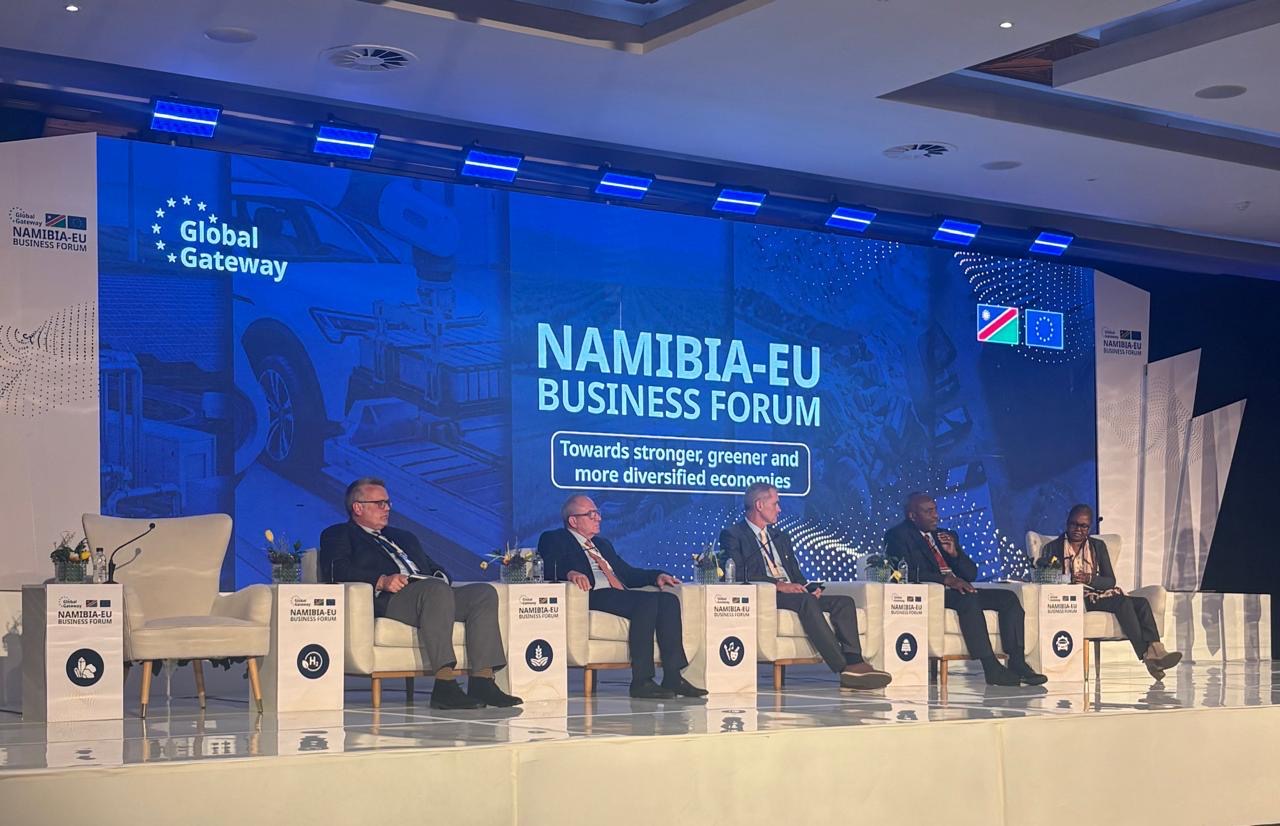
The CRM-Facility participated at the EU–Namibia Business Forum in May 2026, and also undertook a field visit across Namibia highlighted the country’s growing importance as a strategic partner for Europe in the field of critical raw materials (CRMs). Discussions and site visits confirmed Namibia’s strong project pipeline, improving infrastructure ecosystem and increasing alignment with EU sustainability and industrial objectives.
A key focus was Namibia’s role in diversifying European supply chains. Discussions focused on minerals such as lithium, graphite, tantalum, tin, manganese and rare earth elements. A panel discussion titled “Unlocking Value Across CRM Value Chains” set out clear priorities. These included accelerating project development, strengthening logistics corridors and fostering long-term EU–Africa industrial cooperation.
Mining site visits
Several site visits showcased promising projects and infrastructure developments. At Andrada Mining, Tin, tantalum and lithium projects are attracting growing European interest. Partners now include Schott (Germany) and SQM. GTK and Metso are driving technology cooperation on zero-waste mining solutions. Northern Graphite presented its Okanjande graphite operation and outlined its downstream ambitions in Europe. The company is developing a battery anode materials plant in France and running R&D activities in Germany.
A regional gateway
The importance of logistics and industrial infrastructure was also highlighted through visits to Walvis Bay and discussions with the Ports of Antwerp-Bruges and Rotterdam. Expansions of port facilities and transport corridors are positioning Namibia as an increasingly important regional gateway for critical raw materials from Southern Africa, including Zambia, Botswana and Zimbabwe.
The visit also highlighted innovative industrial initiatives such as HyIron’s zero-emissions iron briquette pilot plant, powered by solar energy, batteries and hydrogen, as well as emerging refining projects for manganese and sulfuric acid production.
Conclusion and next steps
The overall conclusion of the mission was that Namibia offers strong potential for deeper EU cooperation in critical raw materials and green industrial value chains. Key challenges remain in financing, water availability, logistics and global market competitiveness. As a next step, preparations are underway for a dedicated business mission planned for Q4 to further strengthen cooperation between European and Namibian stakeholders.
Share